Common Types of Stone Used and How They’re Restored
People seeking stone restoration often want to restore and preserve different types of stone surfaces, and local service providers can expertly handle cleaning, repairing, and restoring these materials.
Understanding the common types of stone used in construction and how they’re restored can be highly beneficial for property owners looking to preserve or enhance their property's appearance. Whether it’s a historic façade, a decorative patio, or interior flooring, knowing the characteristics of different stones helps in making informed decisions about maintenance and restoration. Property owners in the area often find that working with experienced local contractors ensures proper care tailored to each type of stone, helping to extend its lifespan and maintain its natural beauty.
Restoration techniques vary depending on the specific stone involved, and professional service providers are equipped to handle these differences effectively. From identifying the right cleaning methods to addressing surface damage, local experts can restore stone surfaces to their original condition with precision. Exploring the common types of stone used and how they’re restored provides valuable insight into protecting your investment and ensuring your property looks its best for years to come.
- Marble surfaces - homeowners noticing etching, staining, or dullness can rely on local contractors to restore their natural shine and smoothness.
- Granite countertops - when scratches or surface damage occur, local service providers can perform polishing and sealing to bring back their original appearance.
- Limestone flooring - signs of wear or discoloration prompt local pros to use specialized cleaning and restoration techniques for this porous stone.
- Sandstone features - weathering or erosion issues are addressed by local contractors through targeted cleaning and surface treatments.
- Travertine surfaces - when cracks or dullness develop, local service providers can apply appropriate restoration methods to preserve their aesthetic appeal.

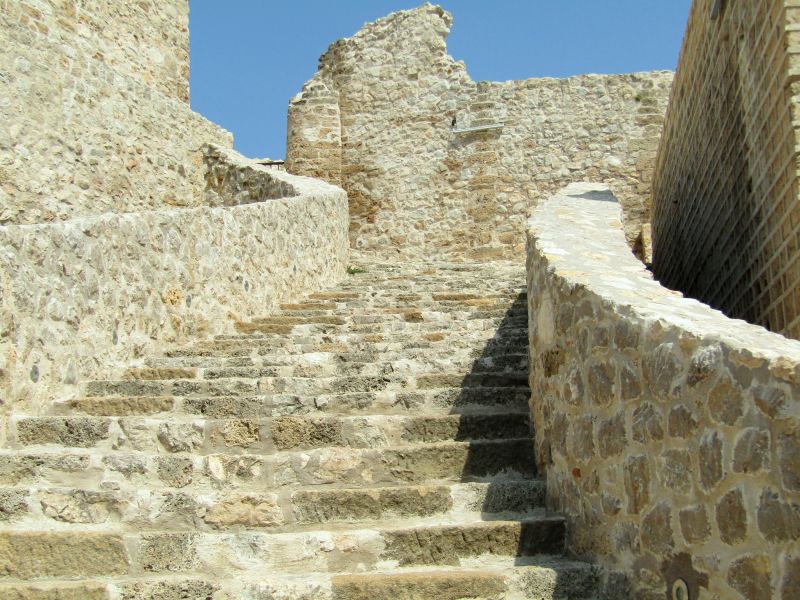
When searching for information about common types of stone used and how they’re restored, homeowners often want to understand the materials that make up their property’s surfaces and how those materials can be maintained or repaired. This topic is frequently related to projects involving historical preservation, outdoor paving, or interior renovations where natural stone elements like flooring, countertops, or facades are involved. People typically want to learn about the characteristics of different stones-such as durability, appearance, and typical wear patterns-and how restoration techniques can bring back their original beauty or extend their lifespan. Understanding these details helps homeowners make informed decisions about repair options and whether professional restoration services are needed to address issues like staining, cracking, or surface erosion.
Common types of stone used in residential and commercial properties include granite, marble, limestone, sandstone, and slate. Each of these stones has unique qualities that influence how they are restored. For example, marble is prized for its aesthetic appeal but can be prone to staining and etching, requiring gentle polishing and sealing during restoration. Granite is highly durable, often used for kitchen countertops, and may need surface grinding or sealing to remove scratches or stains. Limestone and sandstone are softer stones that can be more susceptible to surface damage and may need careful cleaning and re-sealing to restore their appearance. Slate is often used for flooring and roofing, and restoration may involve re-surfacing or replacing damaged sections. Local contractors specializing in stone restoration understand the specific techniques needed for each type of stone to ensure proper care and long-lasting results.
Restoration methods for common types of stone used typically involve cleaning, polishing, sealing, and repairing surface damage. Cleaning might include removing dirt, stains, or biological growth, often with specialized solutions that won’t harm the stone. Polishing can restore a smooth, shiny surface, especially for marble and granite, while sealing helps prevent future staining and damage. Repair work may involve filling cracks, re-grouting, or replacing damaged sections of stone to restore structural integrity and appearance. The process depends heavily on the type of stone and the extent of damage, which is why it’s important to work with experienced local service providers who understand the nuances of each material. These professionals can assess the condition of the stone and recommend the most appropriate restoration techniques to maintain or improve the property’s aesthetic and functional qualities.
Choosing the right local contractor for stone restoration involves understanding their expertise with different types of stone and their approach to restoration techniques. Property owners should look for providers who have experience handling the specific stone material in question and who use methods suitable for that material’s properties. Whether it’s restoring a marble fireplace, repairing limestone steps, or re-sealing sandstone patios, local pros can evaluate the condition of the stone and recommend tailored solutions. Proper restoration not only enhances the visual appeal of stone surfaces but also helps protect the material from further damage, extending its lifespan. Connecting with knowledgeable service providers ensures that the restoration process respects the unique characteristics of each stone type and results in a durable, attractive finish that complements the property’s overall style.
Marble polishing projects - local contractors skilled in marble restoration can enhance the appearance of marble surfaces and restore their natural shine.
Granite countertop refinishing - professionals experienced in granite repair and sealing can help restore the beauty and durability of granite surfaces.
Limestone cleaning services - specialists in limestone restoration can remove stains and surface damage to prolong the life of limestone features.
Slate flooring restoration - local service providers can repair, clean, and restore slate floors to their original condition.
Travertine surface repair - experts in travertine restoration can address etching, cracks, and surface wear effectively.
Natural stone sealing projects - local pros can apply protective sealants to various stone types to prevent staining and damage over time.
When evaluating service providers for stone restoration, it’s important to consider their experience with similar projects involving common types of stone used and how they’re restored. Homeowners should inquire about the types of stone the contractor has worked with, such as marble, limestone, or granite, and ask for examples of past projects that resemble their own. A contractor’s familiarity with these materials can indicate their ability to handle specific challenges, ensuring that the restoration process preserves the stone’s integrity and appearance.
Clear written expectations are essential when comparing local contractors for stone restoration services. Homeowners should seek detailed descriptions of the scope of work, including the methods and materials that will be used, as well as any potential limitations or necessary follow-up care. Having a well-defined plan helps prevent misunderstandings and provides confidence that the project will be managed professionally. Reputable service providers often provide comprehensive estimates and written agreements that outline these details, making it easier to compare options objectively.
Reputation and communication play a key role in choosing the right local pros for stone restoration. Homeowners should look for references or reviews from previous clients who have had similar types of stone restored, as this can offer insights into the contractor’s reliability and quality of work. Good communication is also vital; service providers who are responsive and transparent about their processes can help ensure that expectations are aligned throughout the project. Establishing a clear line of communication early on can contribute to a smoother experience and a successful restoration outcome.
Property owners often search for common types of stone used and how they’re restored when they are planning practical projects around their homes and businesses. Local pros provide Stone Restoration services for everyday jobs and straightforward project options.
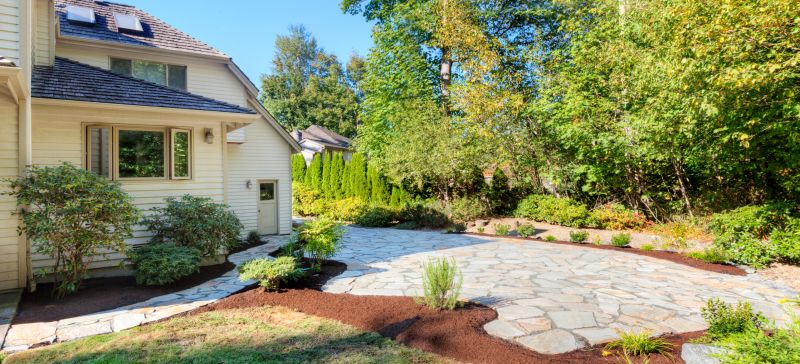
Many property owners in the area turn to local contractors when they notice their stone surfaces, such as patios, walkways, or countertops, starting to show signs of wear or damage. Common types of stone used in these projects include granite, limestone, sandstone, and marble, each with unique characteristics that influence how they are restored. Understanding the specific type of stone can help determine the best approach for cleaning, repairing, or restoring its appearance. Local service providers have experience working with these materials and can recommend the most suitable methods to bring back their original beauty and durability.
Restoring stone surfaces often involves processes like cleaning, sealing, or repairing chips and cracks. Simple issues such as stains or surface erosion can typically be addressed with specialized cleaning techniques, while more extensive damage might require professional repairs or resurfacing. Many property owners seek out local contractors for these tasks because they understand the different types of stone and how to handle them properly. These service providers can assess the condition of the stone, recommend appropriate restoration methods, and help extend the lifespan of valuable surfaces around the property.
What are some common types of stone used in construction and decoration? Common types of stone used include marble, granite, limestone, sandstone, and slate, each offering unique appearance and durability. Local contractors experienced in stone restoration can identify the specific type of stone and recommend appropriate restoration methods. Proper identification helps ensure that restoration techniques preserve the stone’s natural qualities. Experts can assess the condition of these stones and provide tailored restoration services to maintain their appearance and integrity.
How are different types of stone typically restored when they become stained or damaged? Restoration methods vary depending on the stone type and the nature of the damage, often involving cleaning, polishing, sealing, or repairing surface cracks. Local service providers use specialized techniques suited to each stone type to remove stains and restore surface smoothness. For example, marble may require gentle polishing, while granite might need sealing to prevent future staining. Skilled contractors evaluate the stone’s condition and apply appropriate restoration processes to extend its lifespan.
What techniques are used to restore natural stone surfaces like marble and granite? Techniques include cleaning with appropriate agents, honing to remove surface scratches, polishing for shine, and sealing to protect against stains. Local pros have experience with these methods and can select the right approach based on the stone’s material and condition. They may also perform crack repairs or fill in chips to restore the surface’s appearance and functionality. Proper restoration helps maintain the natural beauty and durability of stone surfaces.
Can all types of stone be restored to their original appearance? Most common types of stone can be restored to a near-original appearance through professional restoration services, though results depend on the extent of damage and the stone’s condition. Local contractors assess each project individually to determine the best approach for restoring the stone’s look and integrity. In some cases, deep damage or wear may limit the level of restoration achievable, but experts aim to enhance the stone’s appearance as much as possible. They use tailored techniques suited to each stone type.
Why is it important to hire specialists for restoring different types of stone? Specialists understand the unique properties and restoration needs of various stone types, ensuring that the correct techniques are applied without causing further damage. Local service providers have experience working with different stones and can recommend the most effective restoration methods. Properly restored stone surfaces not only look better but also last longer, preserving their value and appearance over time. Working with experienced pros helps achieve the best possible results for each type of stone.
Identifying common stone types helps property owners understand which restoration methods are suitable for their surfaces, guiding them to experienced local contractors. Assessing damage and wear allows property owners to determine if cleaning, sealing, or repairs are needed, with local pros providing expert evaluations. Choosing the right restoration techniques ensures that natural stone retains its appearance and durability, encouraging property owners to consult local specialists for tailored solutions. Planning ongoing maintenance can extend the life of stone surfaces, with local service providers offering advice on proper care and periodic restoration.
If you are thinking about common types of stone used and how they’re restored for a property, this guide is meant to help you understand this topic, the typical project types, and how different options might fit your plans.
When you are ready, you can use the quote form on this page to share a few details about your project. From there, local pros can review the basics and follow up with options that match what you have in mind.